


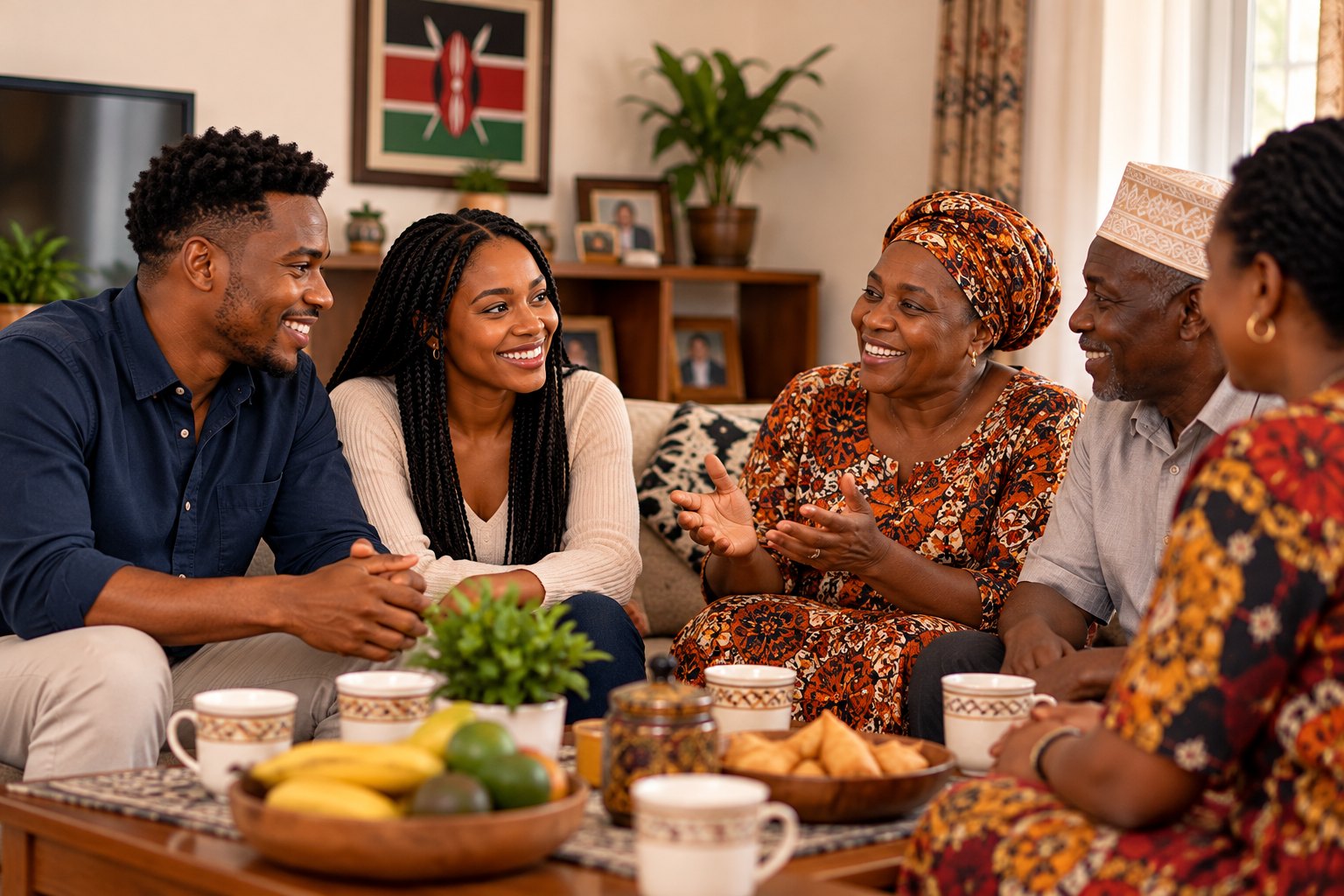
In Kenya, a relationship is rarely just between two people. Parents, aunties, uncles, siblings and sometimes the whole village have an interest in who you are with. That is why introducing your partner to family is a big step, and one worth planning with care. Done well, it builds trust, honours the people who raised you and tells your partner they matter to you.
This guide offers general advice for timing, preparation, respect and handling the unexpected. Kenya has many communities, each with its own customs, so treat everything here as a starting point and ask your own family about how they like to do things.
What an introduction really means
Introducing someone to your family says something. For many families it signals that you are serious, and that the person is more than a passing friend. Your relatives may have expectations, questions and hopes the moment someone arrives. Some will be warm and curious, while others will be quiet and watchful.
Understanding this helps you plan. Before you invite anyone to meet your relatives, ask yourself whether you are ready for the meaning that comes with it. If you are still unsure about where you stand with your partner, have the conversation first. Our guide to the define the relationship talk can help you get clear.
Timing for introducing your partner to family
There is no perfect date, but some signs suggest you are ready:
- You are both clearly committed, and you have talked about a shared future.
- You have met each other's close friends and feel comfortable together.
- You trust your partner to be respectful and kind to your family.
- You are ready to answer your family's honest questions about the relationship.
- You are not rushing because of pressure, an anniversary or fear of losing the person.
Be careful about doing it too early. Meeting family very quickly can create expectations before you and your partner have decided what you want. At the same time, hiding a serious relationship for years can hurt trust. Aim for a moment when the introduction feels like a natural next step.
Prepare both sides before the day
Preparation takes the fear out of the meeting. For your partner, share a short briefing:
- Who will be there, their names and how they are related to you.
- How your family usually greets guests, and anything to know about manners at the table.
- Whether a small gift would be welcome, such as fruit, tea or bread.
- Topics that may be sensitive, such as family disagreements or past relationships.
- What is expected of the visit, such as how long to stay and whether to share a meal.
Prepare your family too. Tell them a little about your partner beforehand, such as their name, what they do and what you like about them. A parent who has already heard a few kind words will usually be warmer than one who is surprised. Ask what they would like to know and be honest about the nature of the relationship.
Understanding different family expectations
Families across Kenya hold different values about courtship, marriage, religion, age, education and work. Some expect elders to be consulted and greeted formally. Some are more relaxed and modern in their approach. Many are a mix, shaped by faith, upbringing, region and generation. It would be unfair to assume that a family will behave in a certain way because of where they come from.
The kinder approach is to ask. "How does your family like to do introductions?" is a simple question that shows respect. Listen to your partner's answers about their own family too. If your families come from different communities, take time to learn about each other's customs. Curiosity goes a long way, and it is usually received as a sign of care.
What to do on the day
A few simple habits make a good impression, whichever family you are visiting:
- Arrive on time and dress neatly in a way that respects the home.
- Greet the elders first, with warmth, and learn the names beforehand.
- Accept offered tea or food graciously, even if only a little.
- Be yourself, but be polite. Smile, listen and ask friendly questions about the family.
- Avoid arguments, strong opinions on touchy topics and too much affection in front of elders.
- Thank everyone as you leave, and send a short message the next day.
Relatives may ask direct questions, such as where you work, where you are from or what your intentions are. Answer honestly and calmly, and do not take curiosity as hostility. If you do not know how to answer a question yet, it is fine to say, "We are taking it step by step."
Conversations about marriage and customs
In some families, the introduction leads to discussions about marriage and the customs that go with it. Different communities approach these in different ways, and some families do not follow traditional practices at all. Your relatives may mention the idea of bringing elders together, or ask when you plan to take the next step.
It is best to treat these conversations with respect and patience. Do not make promises before you and your partner have agreed what you want. If something is raised that you are not ready for, thank them for their interest and say that you will talk with your partner and come back to them. Ask elders or relatives you trust to explain how things are usually done in your family, so there are no surprises. Honest communication between the two of you matters most.
Supporting your partner through the nerves
Meeting a partner's relatives can be stressful for anyone. Your partner may worry about saying the wrong thing, being judged or not fitting in. Help by staying close during the visit, including them in the conversation and stepping in gently if someone asks something too personal. A quick squeeze of the hand or a smile across the room goes a long way.
Afterwards, check in without fishing for compliments. Ask how it felt, what they enjoyed and whether anything worried them. Share what your family said in a kind and honest way. If a relative made a rude comment, do not repeat it word for word, but do not pretend it did not happen either. Tell your partner you noticed, that you value them and that you will handle it. Feeling backed up is what turns a nervous first visit into a good memory.
When things do not go smoothly
Not every introduction goes well. A relative may seem cold, ask difficult questions or express worries. Try not to react in the moment. Often there is a worry behind the coolness, such as concern about distance, religion, past hurts or simply wanting the best for you.
After the meeting, talk with your partner in private. Thank them for coming, listen to how they felt and reassure them. Then speak with your family and ask what concerns them. Allow time. Families often warm up with repeated, respectful contact. If disapproval stays strong, speak with someone older and trusted who can help, and remember that you can love and respect your family while also making your own decisions.
It is also wise to stay safe if you are meeting a partner for the first time. If you met online, read our guide on how to verify someone is real before meeting before bringing them into your family circle.
After the introduction
Keep the connection going. Greet your partner's family when you speak, remember names and attend gatherings when you can. These small acts build relationships that last. If you are still getting to know each other, our article on dating etiquette in Kenya may offer helpful context.
Meeting family is a milestone, not a test you must pass perfectly. Be sincere, be respectful and give everyone time. If you are still looking for someone to share that milestone with, you can browse people near you or create your free profile and take your next step at your own pace.